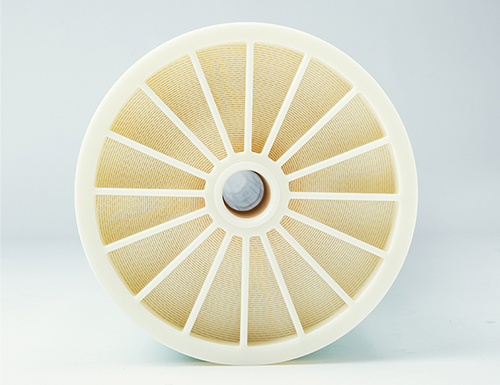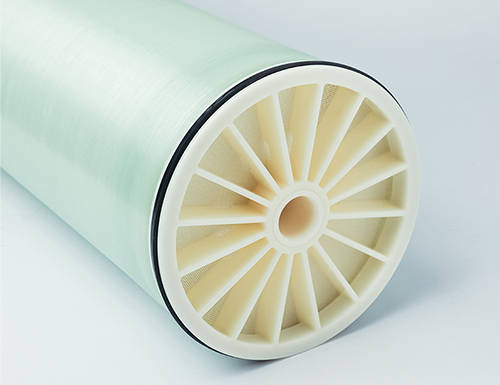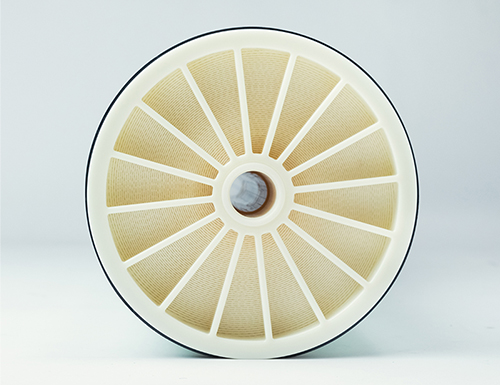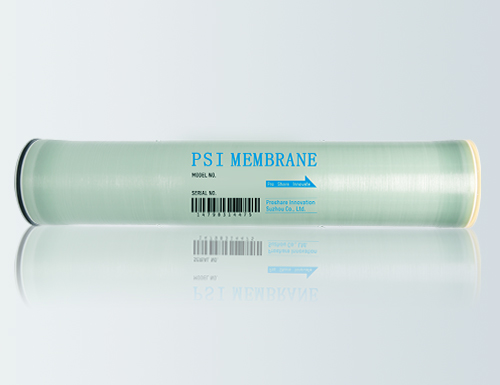
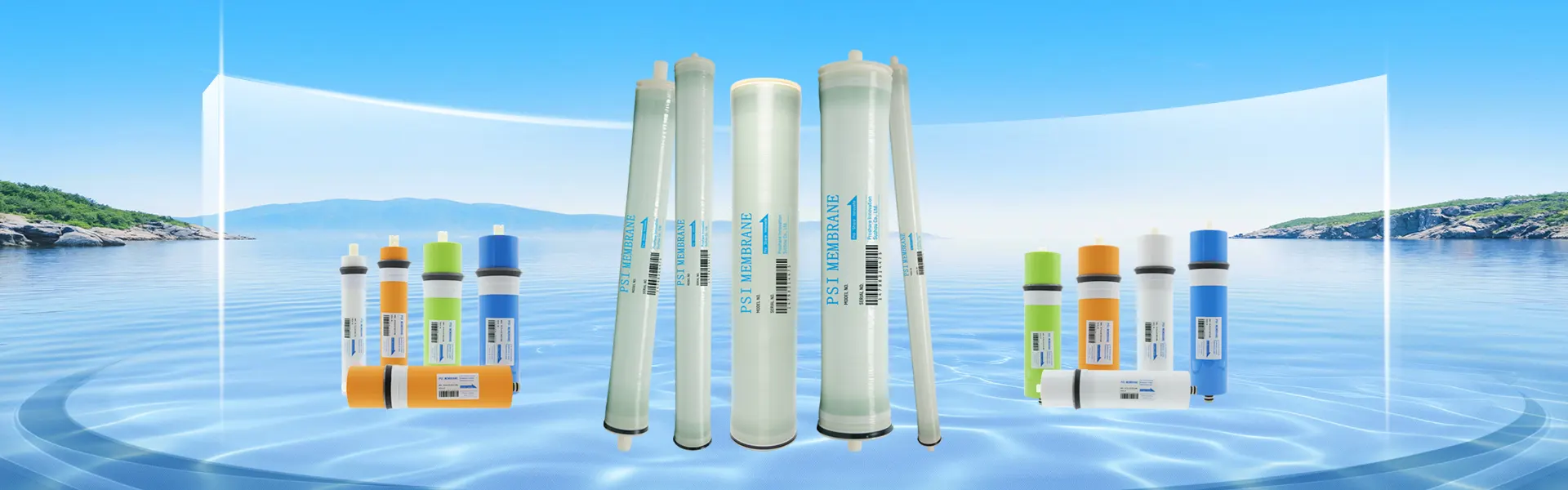
PSI MEMBRANE® Pro-Acid specialty Acid Resistant Membrane incorporating innovative Thin Film Nanocomposite (TFN) acid-resistant membrane sheets and unique acid-resistant materials. They have anti-fouling, high flux, high pressure resistance, and extreme acid resistance properties. They can achieve metal concentration in acidic solutions such as sulfuric acid below 20% and phosphoric acid below 30%, and can also be used for acid purification and recovery. They are suitable for removing large molecular impurities in acid solutions and can maintain high flux and stable operation for more than 12 months in strong acid environments.
| Product | Stabilized Salt Rejection(%) | Permeate Flow Rate GPD(m³/d) | Active Area Ft² (m²) | Feed Spacer Thickness(mil) |
| Pro-Acid-NF98-8040 | 98 | 12000 (45.4) | 400 (37.2) | 34 |
| Pro-Acid-NF96-8040 | 96 | 18000 (68.1) | 400 (37.2) | 34 |
| Pro-Acid-NF92-8040 | 92 | 22000 (83.2) | 400 (37.2) | 34 |
| Pro-Acid-NF80-8040 | 80 | 24000 (90.8) | 400 (37.2) | 34 |
| Pro-Acid-NF35-8040 | 35 | 36000 (139.5) | 400 (37.2) | 34 |
|
1.Permeate flow rate and stabilized salt rejection were based on the following standard test conditions: 2000 ppm MgSO4, 580 psi (4.01 MPa), 77 ℉ (25 ℃), and 15% recovery; 2. The variation range of permeate flow rate is +/-15%. |
||||
| Maximum Operating Temperature | 50℃ |
| Maximum Operating Pressure | 1200 psi(83 bar) |
| Maximum Pressure Drop | 1 bar |
| Continuous Operating pH Range | 0-12 |
| Cleaning pH Range | 0-13 |
| The largest water SDl15 | 5 |
| Maximum influent turbidity | 1 NTU |
| Maximum residual chlorine concentration of influent | <0.1 ppm |
PSI MEMBRANE® PSI-Acid specialty Acid Resistant Membrane incorporating innovative Thin Film Nanocomposite (TFN) acid-resistant membrane sheets and unique acid-resistant materials. They have anti-fouling, high flux, high pressure resistance, and good acid resistance properties.They can achieve metal concentration in acidic solutions as low as pH 1, and can also be used for acid purification and recovery. They are suitable for removing large molecular impurities in acid solutions and can operate stably in acidic environments for more than 12 months.
| Product | Stabilized Salt Rejection(%) | Permeate Flow Rate GPD(m³/d) | Active Area Ft² (m²) | Feed Spacer Thickness(mil) |
| PSI-Acid-NF98-8040 | 98 | 9000 (34.1) | 400 (37.2) | 34 |
|
1. Permeate flow rate and stabilized salt rejection were based on the following standard test conditions: 2000 ppm MgSO4, 580 psi (4.01 MPa), 77 ℉ (25 ℃), and 15% recovery;
2. The variation range of permeate flow rate is +/-15%. |
||||
| Maximum Operating Temperature | 50℃ |
| Maximum Operating Pressure | 1200 psi(83 bar) |
| Maximum Pressure Drop | 1 bar |
| Continuous Operating pH Range | 1-10 |
| Cleaning pH Range | 0-13 |
| The largest water SDl15 | 5 |
| Maximum influent turbidity | 1 NTU |
| Maximum residual chlorine concentration of influent | <0.1 ppm |
PSI MEMBRANE® PSI-AS The Ammonium Sulfate Acid-Resistant Membrane Elements are proprietary membrane elements specially developed by the PSI Team for projects involving ammonium sulfate wastewater (such as ammonium phosphate iron production, desulfurization wastewater, ammonia removal wastewater, etc.). They feature fouling resistance, high flux, high pressure resistance, and excellent acid resistance. These elements enable high-concentration concentration of acidic ammonium sulfate solutions, providing a reliable and efficient technical solution for treating this type of wastewater. They help address challenging water treatment problems, facilitate wastewater reuse and zero-liquid discharge (ZLD) projects by reducing the volume of concentrated water, decreasing the brine volume for downstream thermal processes such as evaporation, and optimizing the operating costs of ZLD systems.
| Product | Stabilized Salt Rejection(%) | Permeate Flow Rate GPD(m³/d) | Active Area Ft² (m²) | Feed Spacer Thickness(mil) |
| PSI-AS-8040 | 99.5 | 9000 (34.1) | 400 (37.2) | 34 |
|
1. Permeate flow rate and stabilized salt rejection were based on the following standard test conditions: 2000 ppm MgSO4, 580 psi (4.01 MPa), 77 ℉ (25 ℃), and 15% recovery; 2. The variation range of permeate flow rate is +/-15%. |
||||
| Maximum Operating Temperature | 50℃ |
| Maximum Operating Pressure | 1200psi(83bar)/1740psi (120bar) |
| Maximum Pressure Drop | 1 bar |
| Continuous Operating pH Range | 1-10 |
| Cleaning pH Range | 1-13 |
| The largest water SDl15 | 5 |
| Maximum influent turbidity | 1 NTU |
| Maximum residual chlorine concentration of influent | <0.1 ppm |
PSI MEMBRANE® Pro-Base Specialty Alkali Resistant Membrane incorporating innovative Thin Film Nanocomposite (TFN) alkali-resistant membrane sheets and unique alkali-resistant materials. They have anti-fouling, high flux, high pressure resistance, and extreme alkali resistance properties.They can achieve concentration of cellulose, hemicellulose, papermaking fibers, and other compounds in alkaline solutions such as sodium hydroxide below 20% and potassium hydroxide below 10%, and can also be used for alkali purification and recovery. They can maintain high flux and stable operation for more than 12 months in strong alkali environments.
| Product | Stabilized Salt Rejection(%) | Permeate Flow Rate GPD(m³/d) | Active Area Ft² (m²) | Feed Spacer Thickness(mil) | |
| Pro-Base-NF98-8040 | 98 | 13000 (49.2) | 400 (37.2) | 34 | |
| Pro-Base-NF96-8040 | 96 | 19500 (73.8) | 400 (37.2) | 34 | |
| Pro-Base-NF92-8040 | 92 | 24000 (91.0) | 400 (37.2) | 34 | |
| Pro-Base-NF80-8040 | 80 | 26000 (98.4) | 400 (37.2) | 34 | |
| Pro-Base-NF35-8040 | 35 | 39000 (147.6) | 400 (37.2) | 34 | |
|
1.Permeate flow rate and stabilized salt rejection were based on the following standard test conditions: 2000 ppm MgSO4, 580 psi (4.01 MPa), 77 ℉ (25 ℃), and 15% recovery; 2. The variation range of permeate flow rate is +/-15%. |
|||||
| Maximum Operating Temperature | 60℃ |
| Maximum Operating Pressure | 1200 psi (83 bar) |
| Maximum Pressure Drop | 1 bar |
| Continuous Operating pH Range | 3-14 |
| Cleaning pH Range | 2-14 |
| The largest water SDl15 | 5 |
| Maximum influent turbidity | 1 NTU |
| Maximum residual chlorine concentration of influent | <0.1 ppm |
PSI MEMBRANE® PSI-Base Specialty Alkali Resistant Membrane incorporating innovative Thin Film Nanocomposite (TFN) alkali-resistant membrane sheets and unique alkali-resistant materials. They have anti-fouling, high flux, high pressure resistance, and good alkali resistance properties.They can achieve concentration of cellulose, hemicellulose, papermaking fibers, and other compounds in alkaline solutions of pH 12, and can also be used for alkali purification and recovery. They can maintain high flux and stable operation for more than 12 months in alkaline environments.
| Product | Stabilized Salt Rejection(%) | Permeate Flow Rate GPD(m³/d) | Active Area Ft² (m²) | Feed Spacer Thickness(mil) | |
| PSI-Base-NF98-8040 | 98 | 13000 (49.2) | 400 (37.2) | 34 | |
|
1.Permeate flow rate and stabilized salt rejection were based on the following standard test conditions: 2000 ppm MgSO4, 580 psi (4.01 MPa), 77 ℉ (25 ℃), and 15% recovery; 2. The variation range of permeate flow rate is +/-15%. |
|||||
| Maximum Operating Temperature | 60℃ |
| Maximum Operating Pressure | 1200 psi (83 bar) |
| Maximum Pressure Drop | 1 bar |
| Continuous Operating pH Range | 3-12 |
| Cleaning pH Range | 2-13 |
| The largest water SDl15 | 5 |
| Maximum influent turbidity | 1 NTU |
| Maximum residual chlorine concentration of influent | <0.1 ppm |
PSI MEMBRANE® Pro-Therm Specialty High Temperature Resistant Membrane incorporating innovative Thin Film Nanocomposite (TFN) high-temperature resistant membrane sheets and unique high-temperature resistant materials. These elements are ideal for hot water disinfection systems, replacing chemical disinfection to enhance product quality and meet regulatory standards.They are suitable for water purification or process fluid systems with low cross-flow environments, no suspended solids, and a maximum temperature of 70℃ (158℉), and can be used for concentrating high-temperature process fluids. Typical applications include concentration, purification, and separation of high dissolved solids fluids that are difficult to use membrane processes due to high viscosity at lower temperatures.
| Product | Stabilized Salt Rejection(%) | Permeate Flow Rate GPD(m³/d) | Active Area Ft² (m²) | Feed Spacer Thickness(mil) | |
| Pro-Therm-RO67-8040 | 98 | 9000 (34.1) | 400 (37.2) | 34 | |
| Pro-Therm-NF98-8040 | 98 | 6000 (22.7) | 400 (37.2) | 34 | |
| Pro-Therm-NF96-8040 | 96 | 9000 (34.1) | 400 (37.2) | 34 | |
| Pro-Therm-NF92-8040 | 92 | 11000 (41.6) | 400 (37.2) | 34 | |
| Pro-Therm-NF80-8040 | 80 | 12000 (45.4) | 400 (37.2) | 34 | |
| Pro-Therm-NF35-8040 | 35 | 18000 (69.8) | 400 (37.2) | 34 | |
|
1. Permeate flow rate and stabilized salt rejection were based on the following standard test conditions (before any hot water disinfection): For NF membranes – 2000 ppm MgSO4, 0.48 MPa, 25℃, 15% recovery; For RO membranes – 2000 ppm NaCl solution, 1.55 MPa, 25℃, 15% recovery; 2. The variation range of permeate flow rate is +/-15%, and the final water yield may fluctuate more due to the heat treatment process. |
|||||
| Maximum Operating Temperature(Disinfection temperature) | 70℃ (90℃) |
| Maximum Operating Pressure | 1200 psi (83 bar) |
| Maximum Pressure Drop | 1 bar |
| Continuous Operating pH Range | 3-10 |
| Cleaning pH Range | 1-12 |
| The largest water SDl15 | 5 |
| Maximum influent turbidity | 1 NTU |
| Maximum residual chlorine concentration of influent | <0.1 ppm |
PSI MEMBRANE® Pro-CR Specialty Oxidation Resistant Membrane incorporating innovative Thin Film Nanocomposite (TFN) oxidation resistant membrane sheets and unique oxidation resistant materials., is specifically designed for water containing oxidizing agents. This design eliminates the need for reducing agents in the system, enhancing efficiency and reducing chemical usage. They are suitable for water purification or process fluid systems that require efficient oxidants for chemical cleaning and can be used for concentrating process fluids. Typical applications include municipal nanofiltration water treatment plants, rural decentralized water supply, industrial wastewater resource recycling, etc.
| Product | Stabilized Salt Rejection(%) | Antioxidant Capacity (ppmh) | Permeate Flow Rate GPD(m³/d) | Active Area Ft² (m²) | Feed Spacer Thickness(mil) | |
| Pro-CR-RO1-8040 | 98 | >500000 | 12500 (47.3) | 400 (37.2) | 34 | |
| Pro-CR-NF1-8040 | 98 | >500000 | 7800 (29.5) | 400 (37.2) | 34 | |
| Pro-CR-NF2-8040 | 96 | >500000 | 9200 (34.8) | 400 (37.2) | 34 | |
| Pro-CR-NF3-8040 | 92 | >500000 | 12800 (48.4) | 400 (37.2) | 34 | |
| Pro-CR-NF4-8040 | 80 | >500000 | 15000 (56.8) | 400 (37.2) | 34 | |
|
1. Permeate flow rate and stabilized salt rejection were based on the following standard test conditions: NF membrane (2000ppm MgSO4, 0.48 MPa, 25℃,15% recovery); RO membrane (2000ppm NaCl solution, 1.55 MPa, 25℃,15% recovery) before any hot water disinfection. 2. The variation range of permeate flow rate is +/-15%, and the final water yield may fluctuate more due to the heat treatment process. |
||||||